
A tale curled in smoke from the dawn of civilization to the glow of your lounge chair…
Long before tobacco ever crossed an ocean or kissed the rim of a briar bowl, humans were already coaxing plants into smoke. In the ancient world, the pipe wasn’t just an object. It was a vessel of communion, ceremony and sometimes a backstage pass to the spirit world.
Ancient Beginnings
Archaeologists have uncovered pipe-like implements dating back several millennia, carved from stone, bone or clay. Many weren’t for tobacco at all. Indigenous cultures in the Americas burned various botanicals for ritual purposes. Tobacco itself, Nicotiana rustica, enters the scene thousands of years ago in the Andes and Mesoamerica, where pipes and smoke were woven into spiritual, medicinal and diplomatic customs.
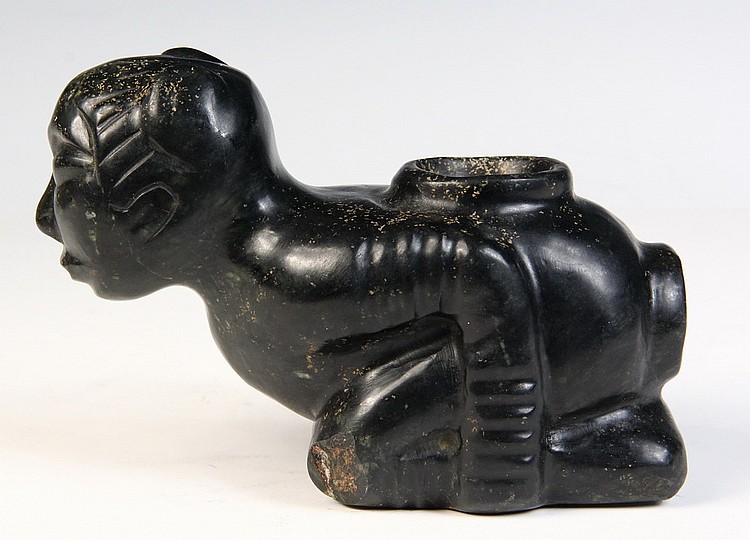
Some of the earliest true tobacco pipes appear among Native American tribes: elegantly carved stone bowls, wood stems, and the iconic ceremonial calumet often used to mark treaties or rites of passage. Smoke wasn’t just inhaled — it was offered, shared, witnessed.
The Great Trans-Atlantic Escape (1500s)
When Europeans arrived in the Americas, tobacco hit them like lightning from a clear sky. By 1550, the habit had leapt the Atlantic, tucked into the pockets of sailors and explorers. Suddenly, nobles across Europe were puffing pipes like they discovered fire twice.
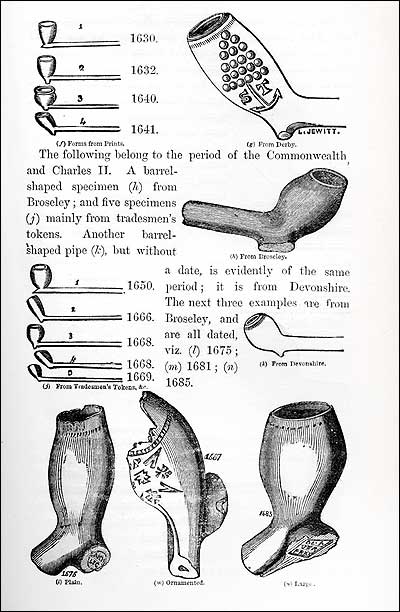
Clay pipes sprouted everywhere — long-stemmed, fragile and ghost-white, like porcelain feathers. In taverns, you could rent one. In some pubs, you’d even break the stem after your smoke to maintain “cleanliness,” creating archaeological layers of clay shards that still perplex shovel-wielders today.
The Rise of Craft (1600s–1800s)
As centuries turned, pipes became art.
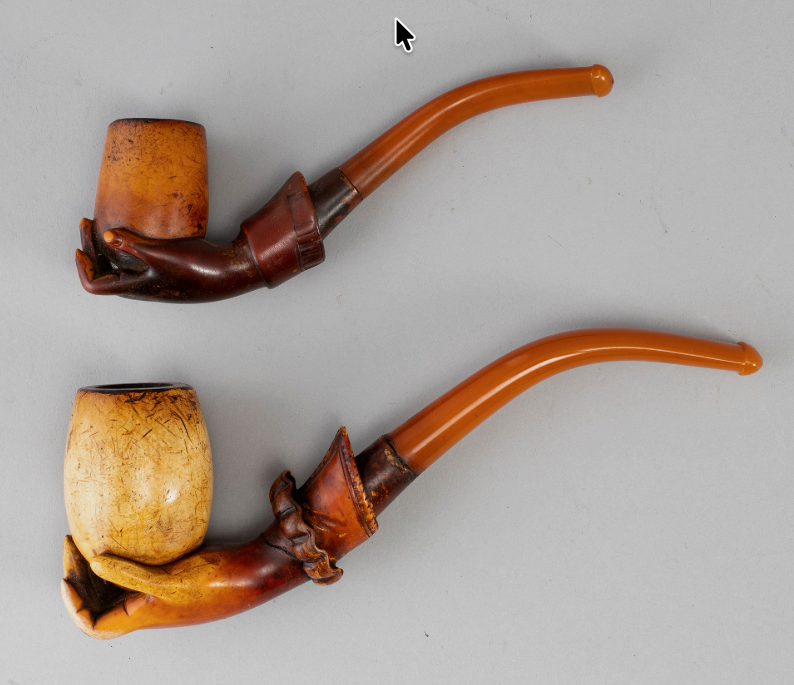
Turkey and the Middle East gave the world meerschaum — that pale, carvable mineral that slowly transformed honey-gold with use. Carvers sculpted sultans, nymphs, lions, gods and improbable bearded gentlemen.
Europe refined the clay pipe. Germany and the Austro-Hungarian region perfected porcelain bowls painted like miniature heirlooms.
Then came the game changer: briar, discovered in the early 1800s in the Mediterranean. Tough, heat-resistant, lightweight, beautiful — the gold standard. Workshops in Saint-Claude, France, Ireland, England and Italy began shaping briar into pieces that were equal parts tool and treasure.
On this wave of craftsmanship rose legendary names: Peterson, Dunhill, Charatan, Savinelli, Stanwell and more.
Industrialization and the Gentleman’s Age (1800s–mid 1900s)
Pipe smoking became an emblem of thinkers, professors, sailors, detectives, philosophers and working men alike.
Sherlock Holmes immortalized the calabash. C.S. Lewis and J.R.R. Tolkien turned the pipe into a symbol of warm fellowship. Soldiers in World Wars carried pipes as both comfort and ritual. Grandfathers passed them down like heirlooms of character and memory.
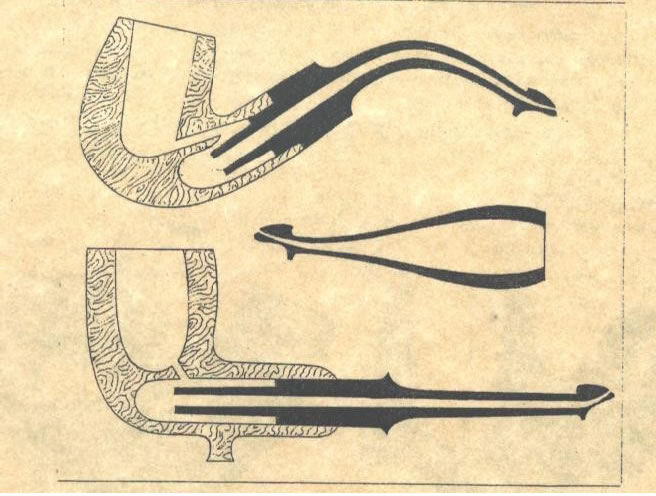
Manufacturers innovated with shapes, finishes, filters, and systems. The Peterson System Pipe. The Dunhill white spot. The Italian renaissance of smooth, muscular shaping.
The Post-Cigarette Era and the Collector’s Renaissance (1960s–2000s)
Cigarettes briefly stole the spotlight in the mid-20th century, but pipes smoldered on.
In the 1970s and 80s came the artisan movement: hand-made pipes carved by individual makers, each signed with the pride of a sculptor. Denmark led a revolution with freehand designs. America followed with a new generation of craftsmen treating briar the way violin makers regard spruce.
Blending houses refined pipe tobacco into symphonies: English blends, Virginias, VaPers, aromatics, flakes, plugs, twists — the whole aromatic galaxy.
The Modern Revival (2010s–Today)
Today, pipe smoking has slipped into a quieter but richer era. It’s no longer a mass-market habit; it’s a connoisseur’s pursuit, a slow ritual in a fast world.
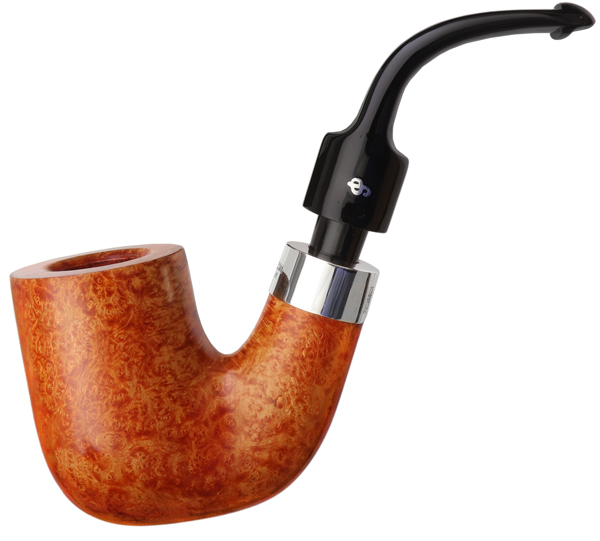
Boutique blenders and artisan carvers flourish. Collectors hunt rare tins like treasure. Young enthusiasts discover the charm of tampers, the alchemy of briar, the meditative rhythm of the char light.
And specialty lounges like Chesapeake Pipe & Cigar keep the tradition alive with sample bars, hundreds of blends, hand-selected pipes, and a community where the ember never really goes out — it just passes from one generation to the next.